Music
The songs on this page are creative works about mental health, not clinical advice. If you are in crisis in the United States, call or text 988.
A CINEMATIC NORDIC MENTAL HEALTH ALBUM · FIFTEEN SONGS · ONE EACH WEEK
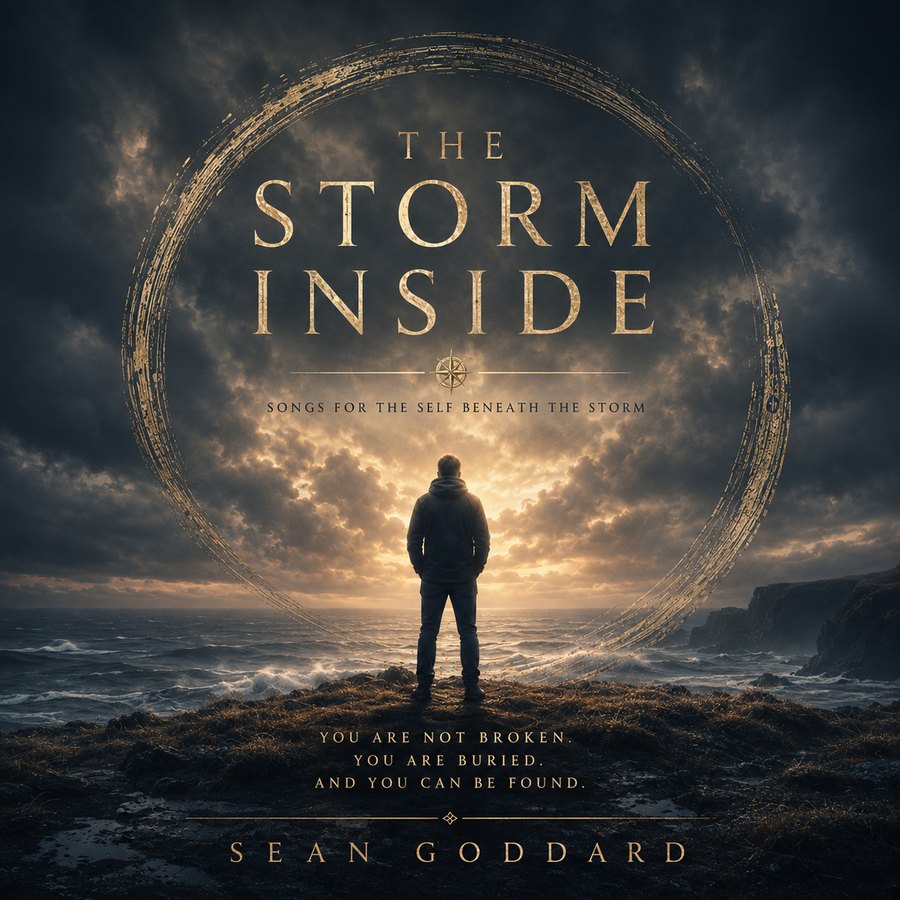
The Storm Inside
You are not broken. You are buried. And you can be found.
A new song arrives every Friday through November 13, 2026, and the full album follows on November 20. Follow Sean Goddard on Spotify or Apple Music so each one reaches you the day it lands.
Why I created The Storm Inside
I have always wanted to sing and create songs. Music can reach places that ordinary conversation cannot. It can take an experience that feels private, complicated, or impossible to explain and place it directly in someone else's chest.
I was not ultimately blessed with a voice designed for singing. What I was given was an ability to work with words, to take difficult emotions, lived experiences, and complicated ideas and translate them into language people can understand and feel. For years, I have used that ability through writing, clinical work, public speaking, and television. I have stood on stages and in front of cameras trying to explain depression, anxiety, trauma, ADHD, shame, healing, and hope. But I wanted those words to become something more than another interview, presentation, or television segment. I wanted them to become music.
I do not claim to be the singer on these songs. I also do not want to hide the role artificial intelligence played in creating them. I used a tool that was available to me to do something my natural singing voice could not do. I spent countless hours writing and rewriting lyrics, changing arrangements, adjusting tempos, reshaping the vocals, refining the emotional tone, and rejecting versions that did not carry the meaning I intended. AI provided the voices and much of the musical production, but the stories, themes, words, direction, and emotional purpose came from me.
To me, AI was not a replacement for creativity. It was an instrument. It gave my words a voice.
I created The Storm Inside for people living with experiences that others may never fully see: depression, anxiety, PTSD, ADHD, rejection sensitivity, shame, abandonment, grief, emotional exhaustion, and the pressure to appear okay while something inside is falling apart. I did not want to make songs that reduced those experiences to diagnoses or easy motivational slogans. I wanted to write about what they actually feel like.
The album is built around the belief that the storm inside a person is real, but it is not the whole person. The fear is not the whole person. The trauma is not the whole person. The diagnosis, the shame, the mistakes, and the names other people placed on them are not the whole person.
Beneath all of that, there is still an original self.
Some of these songs come directly from my own history: childhood foster care, adoption, abuse, repeated displacement, psychiatric institutions, military service, a head injury and traumatic brain injury, broken promises, and the lifelong search for safety and belonging. Other songs grew from what I have witnessed during years of working in mental health: the private battles people carry, the ways they learn to hide, and the courage it takes to ask for help when they have spent a lifetime believing they should be able to handle everything alone.
You are not weak because your body still remembers. You are not lazy because your mind works differently. You are not too much because you need reassurance or connection. You are not broken because the light feels far away. Not every voice in your head belongs to you. You are still underneath the storm.
The first song from this project, Perfectly Imperfect, was written for my wife, Deja, and inspired by a saying that has been part of our relationship for years:
I am you, you are me, we are one, perfectly imperfect, and that's the truth.
Those words came to me during one of my own healing experiences with ketamine. In that moment, they captured something I understood deeply about our relationship. They did not mean that we are perfect or that we lose ourselves inside one another. They meant that our lives, wounds, growth, love, and healing have become profoundly connected.
We had the saying framed, and it has hung on our wall for years. Long before it became a song, it was already part of our home and the language of our marriage. Perfectly Imperfect became a way to turn that private vow into music and to tell my wife that I do not love only the capable, strong, composed version of her. I love the whole woman: the certain and uncertain, the strong and tired, the wounded and healing, the woman she has been, and the woman she is still becoming.
That same principle runs through the entire album. We do not have to become flawless to become worthy. We do not have to erase our histories to heal. We do not have to reject the versions of ourselves that survived difficult things. We can thank them, understand them, and eventually allow them to rest.
The Storm Inside is my attempt to turn pain into language, language into music, and music into connection. I used every tool available to me because the message mattered more than whether it arrived through a traditional path.
I am not claiming to be the voice you hear singing.
I am the person behind the words, the stories, the meaning, and the reason the songs exist.
Perfectly Imperfect was only the beginning. More songs from The Storm Inside are being released over time, each exploring a different part of mental health, healing, identity, love, trauma, and the journey back to ourselves.
The songs
In album order. Each song has its own story below, and each releases as a single before the full album arrives.
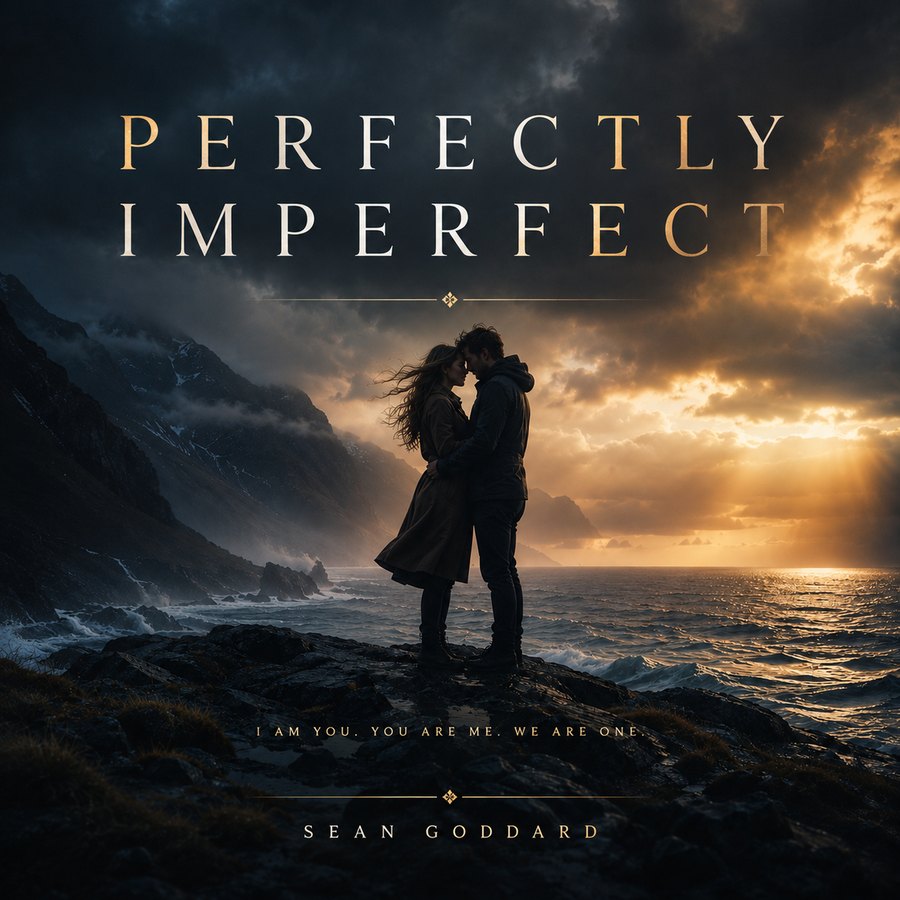
Perfectly Imperfect
Track 1 · Out now
I wrote this song for my wife, Deja, and for the kind of love that does not require either person to appear flawless, endlessly capable, or completely healed.
Years ago, during one of my own healing experiences with ketamine, a phrase came to me:
I am you, you are me, we are one, perfectly imperfect, and that's the truth.
We had those words framed, and they have hung on our wall for years. Long before they became lyrics, they were already part of our marriage and the language of our home.
This song is my way of telling Deja that I do not love only the strong, composed, capable version of her. I love the whole woman. I love the certain and uncertain, the strong and tired, the wounded and healing, the woman she has been, and the woman she is still becoming.
It is also for anyone who has ever believed they needed to become perfect before they could be fully loved.
Love is not the absence of wounds, mistakes, or difficult seasons. Sometimes love is two imperfect people seeing each other clearly, remaining honest, and choosing one another through it all.
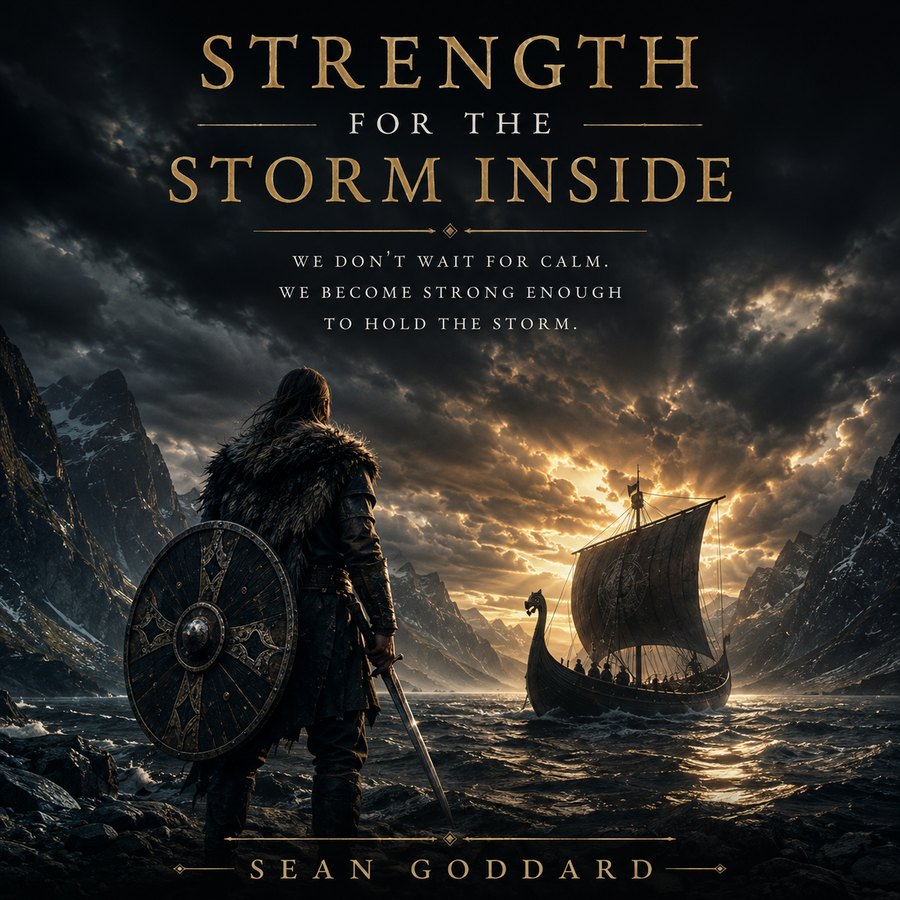
Strength for the Storm Inside
Track 2 · Out now
This song began as a theme for Viking Psychiatry & Wellness, but I did not want to create an advertisement or a commercial jingle. I wanted to create something that spoke directly to the person sitting in their car before a first appointment, wondering whether they could make themselves walk through the door.
I wanted it to reach the person who appears completely functional while privately struggling to hold everything together. The parent, veteran, student, clinician, caregiver, leader, or professional who has become exhausted from always being the strong one.
The Viking identity in this song is not about conquest or glorifying battle. It represents endurance, direction, loyalty, and the willingness to stand beside someone when the weather becomes too difficult to navigate alone.
Some storms never show on the skin.
Strength does not always mean fighting harder. Sometimes strength is telling the truth. Sometimes it is allowing someone to stand beside you. Sometimes it is simply one breath, one step, and one honest moment at a time.
My hope is that this song reminds someone that pain is not failure, asking for help is not defeat, and no one should have to face the storm alone.
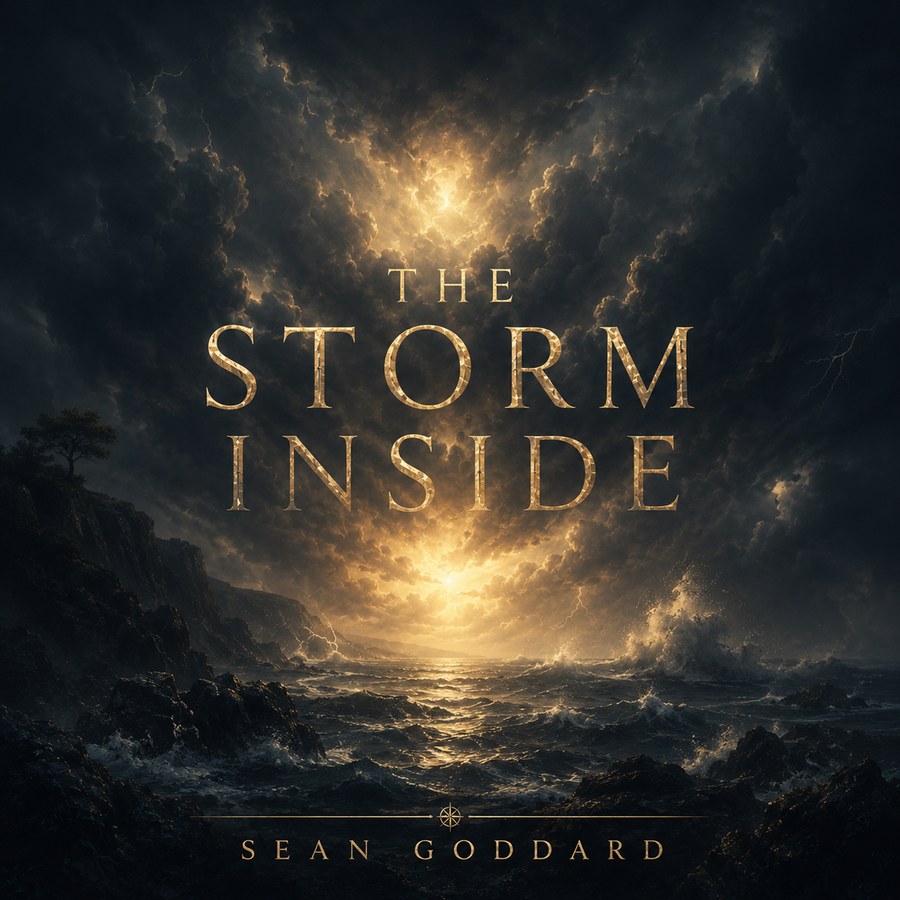
The Storm Inside
Track 3 · Releasing November 13, 2026
The Storm Inside is the title track and central statement of this entire project.
I wrote it for people who have spent so long living beneath depression, anxiety, trauma, shame, external judgment, and old programming that they can no longer separate those things from their identity.
The storm is real. The pain is real. The memories, fear, exhaustion, and symptoms are real. But they are not the whole person.
This song is about the self that remains underneath everything the world placed on us. It is about recognizing that some of the voices inside our minds were never truly ours. They came from rejection, trauma, family expectations, institutions, relationships, or years of being told who we needed to become in order to be accepted.
The central message of the album is:
You are not broken. You are buried. And you can be found.
Healing is not always about constructing a completely new person. Sometimes it is about uncovering the person who existed before the world taught them to hide.
The Storm Inside is for anyone beginning that search.
Streaming links appear here on release day. Follow Sean Goddard on Spotify or Apple Music to get it the day it lands.
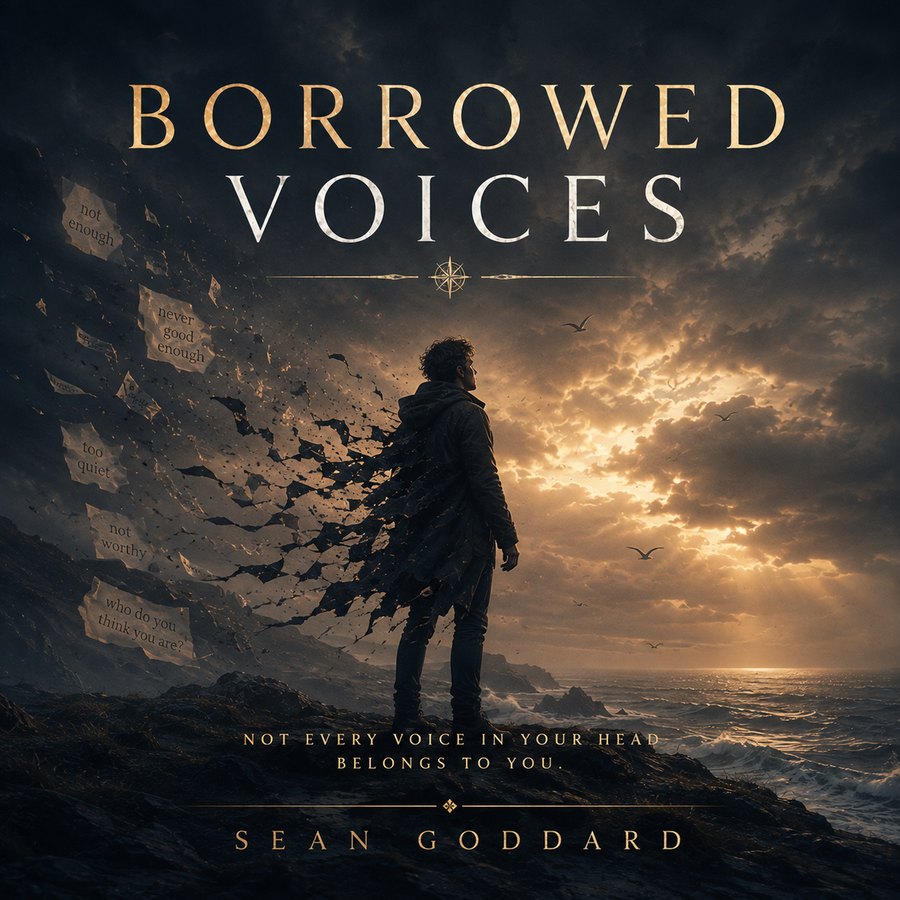
Borrowed Voices
Track 4 · Out now
I wrote Borrowed Voices for anyone who has lived beneath another person's judgment for so long that the judgment eventually became their own internal voice.
This song is also deeply personal.
For much of my life, the voice of my adoptive mother continued speaking inside me, even when she was no longer physically present. It told me I would fail. It told me I would never succeed. It told me I was not good enough and that I needed to become someone different before I could be accepted or loved.
As success began to occur in my life, that voice did not become quieter. At times, it became louder. The closer I came to accomplishing something meaningful, the more intensely it warned me that I would lose it, destroy it, or eventually be exposed as someone who never deserved it.
Sometimes that fear led to self sabotage. Failure could feel strangely familiar, while success created the terrifying possibility that I might finally have something worth losing.
Over time, I began to recognize that this voice was not my intuition and it was not the truth. It was a voice I had absorbed. I had carried it for so long that I had mistaken it for my own.
That realization became the heart of this song:
Not every voice in your head belongs to you.
Those voices may come from parents, partners, teachers, institutions, religion, culture, trauma, rejection, or years of being told to become quieter, stronger, smaller, easier, more productive, or more acceptable.
Healing has required me to notice when that old voice begins speaking, identify where it came from, and decide whether I will continue allowing it to define me.
I am not what I was told I would become. My success does not have to be followed by failure. I do not have to destroy what I have built simply because some part of me was trained to believe that I could never keep it.
Borrowed Voices is about releasing the shame, expectations, and poisoned stories we inherited. It is about allowing the noise to become quiet enough that we can finally hear our own voice underneath it.
You are not required to continue living inside someone else's definition of you.
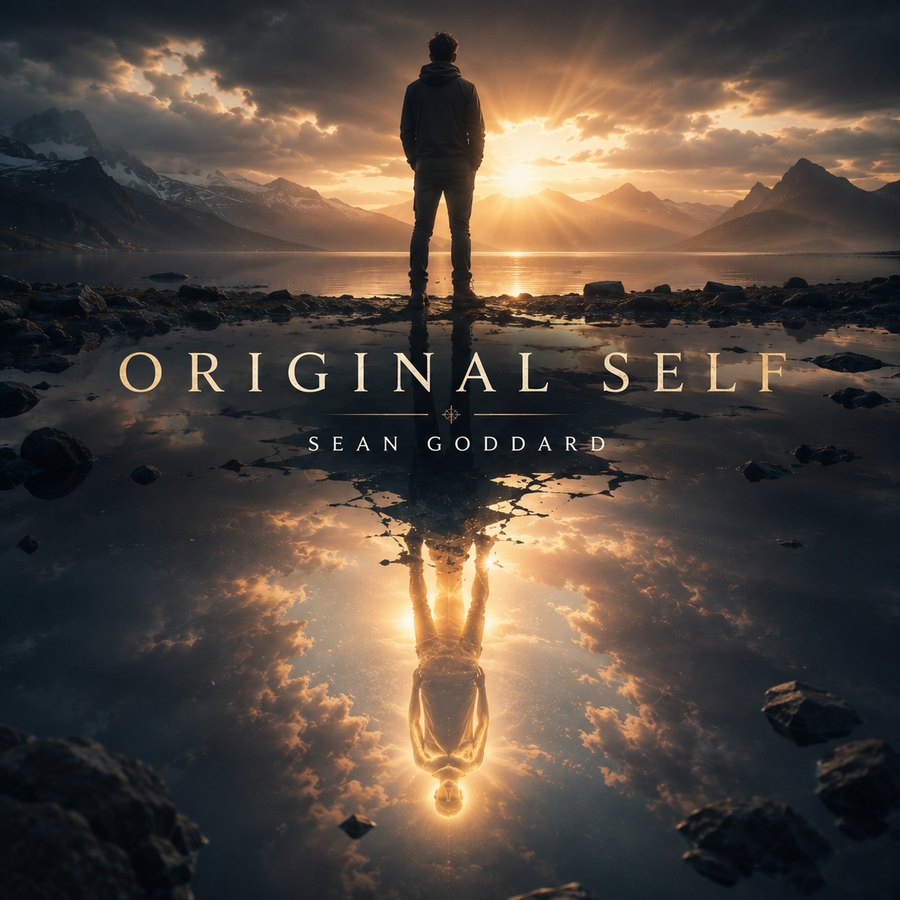
Original Self
Track 5 · Out now
Original Self is the answer to the question left behind by Borrowed Voices: Who am I when the voices, expectations, masks, and survival roles begin to fall away?
This song grew from my own healing experiences and the ideas I encountered through Living Untethered. During that work, I began to understand how far I had moved away from my own natural rhythm.
At some point, I had stopped dancing to the rhythm that was mine.
My rhythm had become defined by childhood, by the way I was raised, by the need to earn love, by the pressure to please, and by the fear of another person's anger. It was shaped by repeatedly being told that I was not good enough, that something about me needed to change, and that acceptance depended on becoming what someone else required.
Those patterns did not disappear when childhood ended. They followed me into adulthood. They influenced my relationships, ambitions, decisions, reactions, and the way I evaluated my own worth.
Even achievement could become another attempt to prove that the old voice was wrong. But when we build our identity entirely around proving someone else wrong, that person is still defining the rhythm.
My healing experiences helped me recognize that there was something underneath the conditioning. There was a self beneath the performance, the pleasing, the fear, the roles, and the constant effort to become acceptable.
That self was not gone. It had been buried beneath everything I learned to do in order to survive and belong.
I wrote Original Self because healing is not always about constructing an entirely new person. Sometimes it is about remembering the person who existed before the world began rewriting them.
It is not about returning to an untouched or idealized version of childhood. It is about finding the enduring qualities beneath the masking, trauma responses, external expectations, and identities we created to remain safe.
The person we became to survive deserves compassion and gratitude. But that survival identity does not have to direct the rest of our lives.
You were buried, not erased. The original rhythm is still there. The light still knows your name.
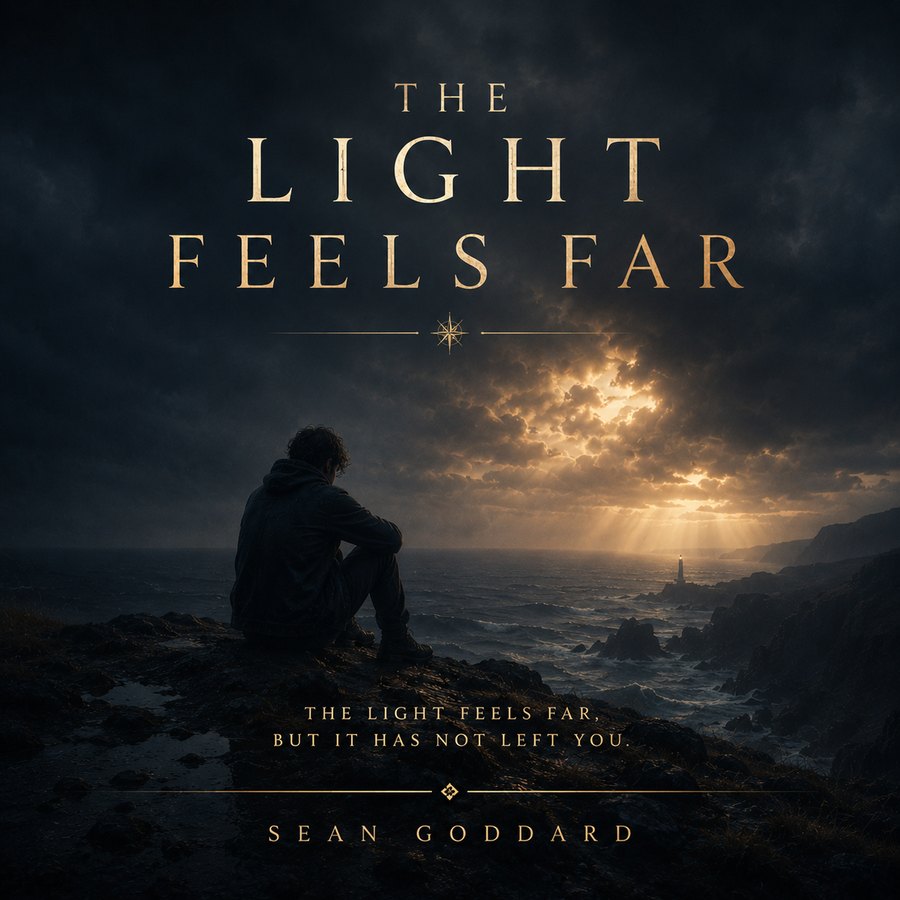
The Light Feels Far
Track 6 · Out now
I wrote The Light Feels Far from my own experience with depression in my mid-thirties.
This was not simply a period of sadness or discouragement. I became deeply depressed and failed to respond to multiple treatments. As each option fell short, I began to believe that I might never recover.
I came close to losing my career, my family, and the life I had built. I felt broken. I questioned whether the person I had been was still somewhere inside me, and I could not imagine how I would ever become functional again.
The more treatments failed, the more hopelessness began to feel like evidence. I stopped seeing depression as something I was experiencing and began believing it was what I had permanently become.
That is why I did not want this song to offer easy reassurance or forced optimism. When someone is in that place, being told that everything will be fine can feel disconnected from reality. Hope may sound like something available to other people but not to them.
The Light Feels Far asks for something smaller.
One breath. One moment. One more passage through the dark. The willingness to let another person sit beside you when you cannot explain what you need or believe that anything can help.
My own experience eventually taught me that the inability to feel hope does not mean hope has disappeared. Depression can make the future feel impossible while a future is still quietly waiting beyond what we can currently perceive.
There were times when I could not see the light, believe in the light, or imagine reaching it. But the light had not left me.
If all someone can do today is breathe, remain, answer one message, attend one appointment, or make it through the next hour, that is not failure.
The light may feel far, but it has not left you.
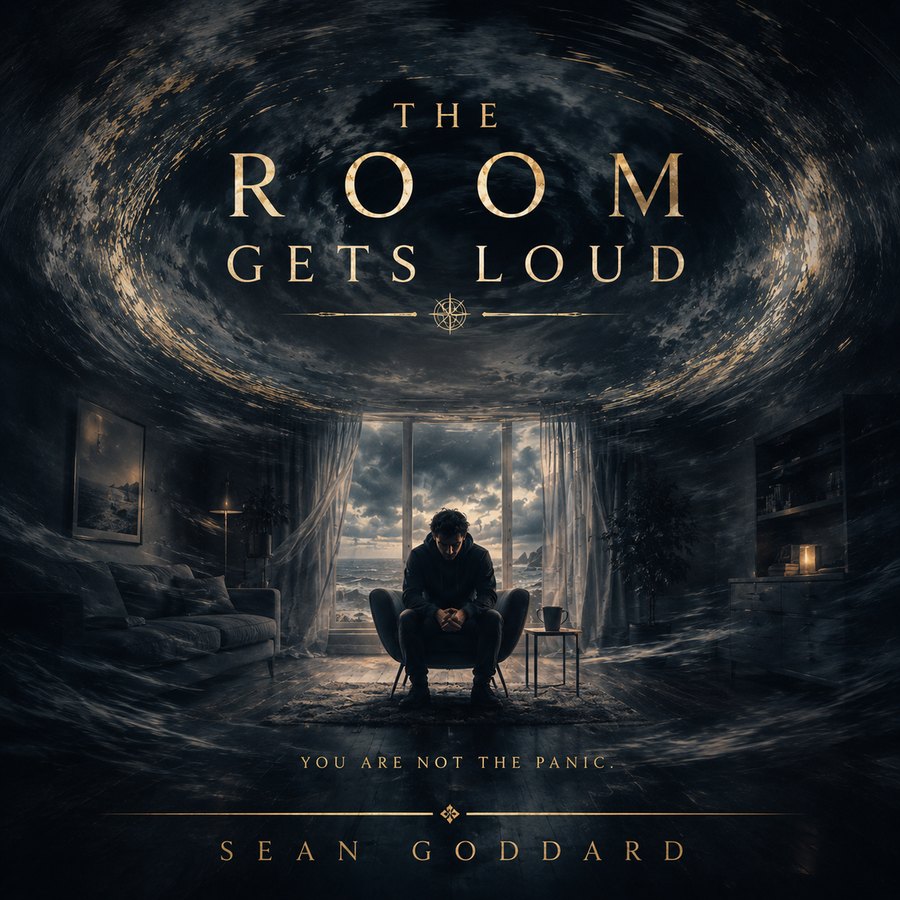
The Room Gets Loud
Track 7 · Releasing September 18, 2026
The Room Gets Loud is about anxiety and panic as they are experienced inside the body.
A room can be completely quiet while the nervous system is sounding every alarm it has.
The chest tightens. Thoughts accelerate. The body scans doors, faces, voices, and changes in the environment. A person may begin preparing for a danger they cannot name, even while another part of them knows they are physically safe.
I wrote this song to validate those experiences without allowing panic to become the person's identity.
The nervous system is not weak. It may be using protective responses that were once necessary but now activate when danger is no longer present.
Fear can be loud without being the whole truth.
You are not the panic. You are not the racing tide. You are not the alarm sounding inside your body.
The moment may feel overwhelming, but there is still a person beneath the weather. There is still room for you inside yourself.
Streaming links appear here on release day. Follow Sean Goddard on Spotify or Apple Music to get it the day it lands.

After the Fire
Track 8 · Releasing September 25, 2026
I wrote After the Fire about trauma and the way the body can continue responding long after the original danger has passed.
It is also a reminder to myself.
For much of my life, survival required constant awareness. I learned to scan rooms, anticipate changes, prepare for anger, read other people's moods, and remain ready to protect myself. Those responses helped preserve me when I had very little control over what was happening around me.
I did what I could with what I had. I survived in the ways available to me.
For years, I judged some of those responses as flaws. I questioned why I remained vigilant, why my body reacted before my mind understood what was happening, and why certain situations could pull me out of the present so quickly.
Healing required me to understand that these were not signs of weakness. They were adaptations. My mind and body had learned to protect me, and they continued doing their jobs long after the original danger had ended.
But I also began to understand that survival did not have to remain the only way I knew how to live.
I could honor the parts of me that stayed awake, watched the doors, anticipated the danger, and carried me through without allowing those parts to control every moment of my present life.
Safety does not mean forgetting what happened. It does not require denying the fire or pretending that it caused no damage.
Safety means slowly recognizing that the fire is no longer burning in every room.
I can live in today. I can notice when the past has entered the present and remind myself that the danger is not happening now. I can thank the part of me that protected me without asking it to remain on duty forever.
The central line of the song is:
The past keeps knocking, but it does not own the door.
The past remains part of my story, but it does not have to own every room I enter, every relationship I build, or every decision I make.
I did what I needed to do to survive. Now I am learning how to live.
Streaming links appear here on release day. Follow Sean Goddard on Spotify or Apple Music to get it the day it lands.
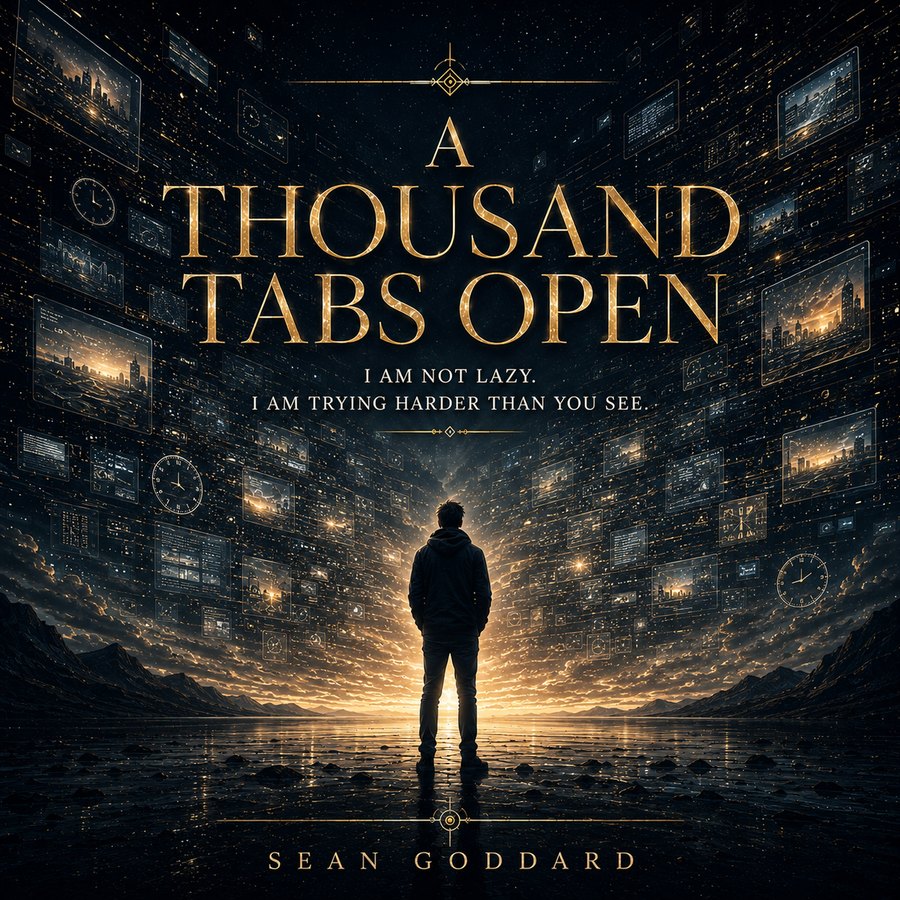
A Thousand Tabs Open
Track 9 · Releasing October 2, 2026
I wrote A Thousand Tabs Open about ADHD because the experience is often reduced to being distracted, disorganized, careless, late, or lazy.
That description misses the enormous amount of effort taking place beneath the surface.
I know what it is like to have a mind moving rapidly across ideas, responsibilities, emotions, conversations, and unfinished tasks. There can be intense focus and creativity, followed by paralysis around something that appears simple to everyone else.
Time can accelerate, disappear, or refuse to move. One small interruption can erase the thread you were holding. Shame often becomes the strategy used to force the mind forward.
This song does not romanticize ADHD, but it refuses to reduce someone to their missed appointments, unfinished tasks, forgotten messages, or scattered surroundings.
The central message is:
I am not lazy. I am trying harder than you see.
There can be rhythm in the chaos and insight inside the intensity. The person is always more than what gets scattered.
Streaming links appear here on release day. Follow Sean Goddard on Spotify or Apple Music to get it the day it lands.
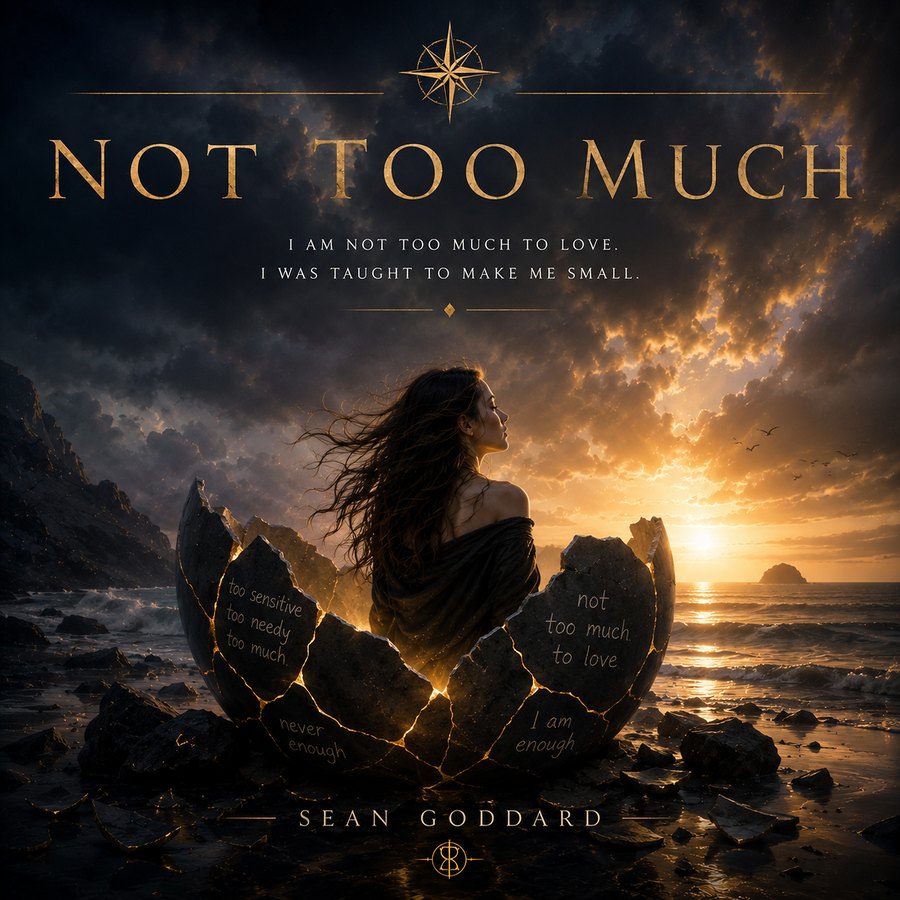
Not Too Much
Track 10 · Releasing October 9, 2026
I wrote Not Too Much about emotional intensity, rejection sensitivity, attachment wounds, and the learned belief that love can only be preserved by becoming smaller.
When someone has experienced inconsistent care, rejection, abandonment, or conditional acceptance, a small pause can feel like the beginning of an ending. A delayed message, change in tone, closed door, or quiet moment can activate something much older than the situation itself.
A person may begin apologizing, overexplaining, suppressing their needs, testing the relationship, or emotionally disappearing before anyone else has the chance to leave.
This song is not saying that every fear is accurate or that every emotional response should control what happens next.
It is saying that the person having those feelings is not a burden.
You can learn to name a need without shame. You can remain connected without abandoning yourself. You can allow someone close without surrendering your own identity.
You are not too much to love. You may simply have been taught to make yourself small.
Streaming links appear here on release day. Follow Sean Goddard on Spotify or Apple Music to get it the day it lands.
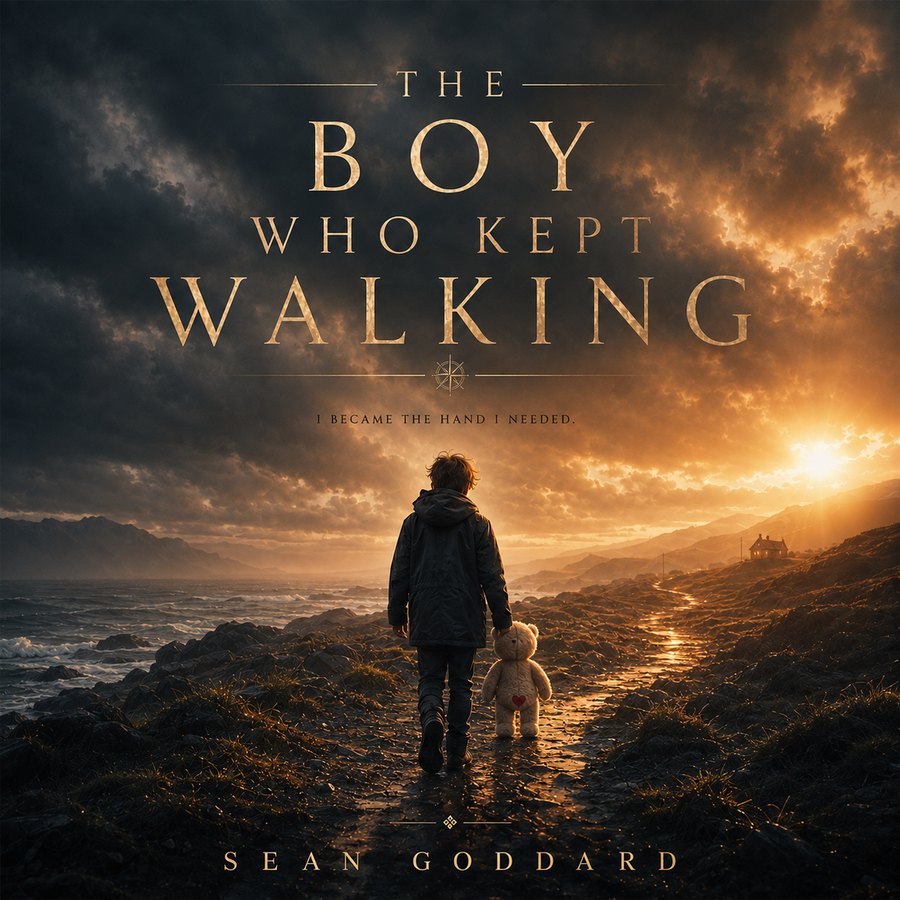
The Boy Who Kept Walking
Track 11 · Releasing October 16, 2026
The Boy Who Kept Walking is the most autobiographical song on the album.
It comes from being born under another name, entering foster care, being adopted, moving across states and countries, living through abuse and broken promises, returning to the system at thirteen, and spending the remainder of adolescence in hospitals, group homes, residential programs, and a boys ranch.
I later entered the Army searching for structure, identity, purpose, and the promise that no one would be left behind. After sustaining a brain injury, I again experienced what it meant for an institution I trusted not to remain beside me in the way I believed it would.
The white bear in the song is Blushbottoms. He was given to me when I was four years old by the strangers who later became my adoptive parents. He had a small red heart on his bottom and became a symbol of the child who kept looking for belonging.
This song is not only about what happened to me. It is about what I chose to build afterward.
I became a father, husband, soldier, healer, advocate, and someone who creates places of safety for others.
I became the hand I needed. I became a place called home.
The deeper resolution is that I do not have to keep walking to prove that I deserve belonging. I can stay with myself, and I can allow the people who truly love me to stay too.
Streaming links appear here on release day. Follow Sean Goddard on Spotify or Apple Music to get it the day it lands.
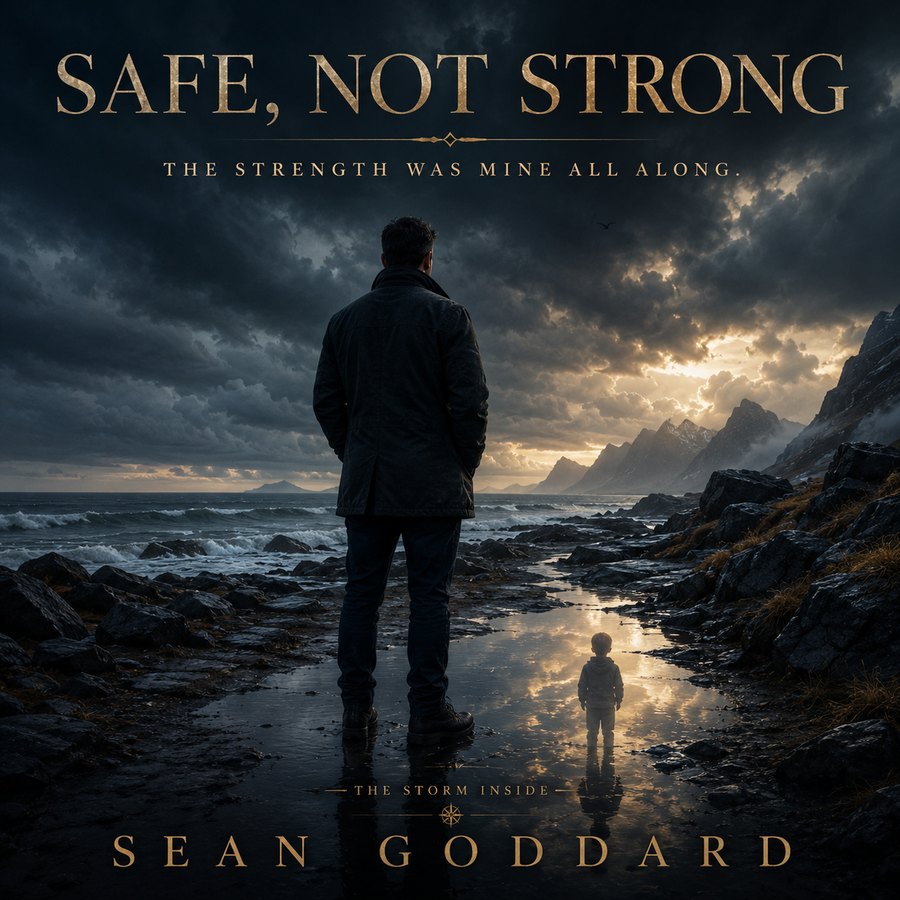
Safe, Not Strong
Track 12 · Releasing October 23, 2026
I wrote Safe, Not Strong because survivors are often praised for their resilience without anyone fully acknowledging what that resilience cost.
People may look at the life someone built and say the suffering made them stronger. Sometimes that statement unintentionally gives the trauma credit for qualities that already belonged to the person.
I do not believe pain needs to become a blessing before it can be healed.
A person can be proud of surviving and still say that what happened was wrong. They can honor who they became without praising what forced them to become that person so early.
Children should not have to become resilient because adults and institutions failed to protect them.
They should be safe. They should be held. They should be believed. They should be allowed to remain children.
The central truth of this song is:
The strength was always mine. It never belonged to those who made me need it most.
This song creates space for anger, grief, and moral clarity without rushing toward forgiveness or reframing the pain as necessary.
Streaming links appear here on release day. Follow Sean Goddard on Spotify or Apple Music to get it the day it lands.
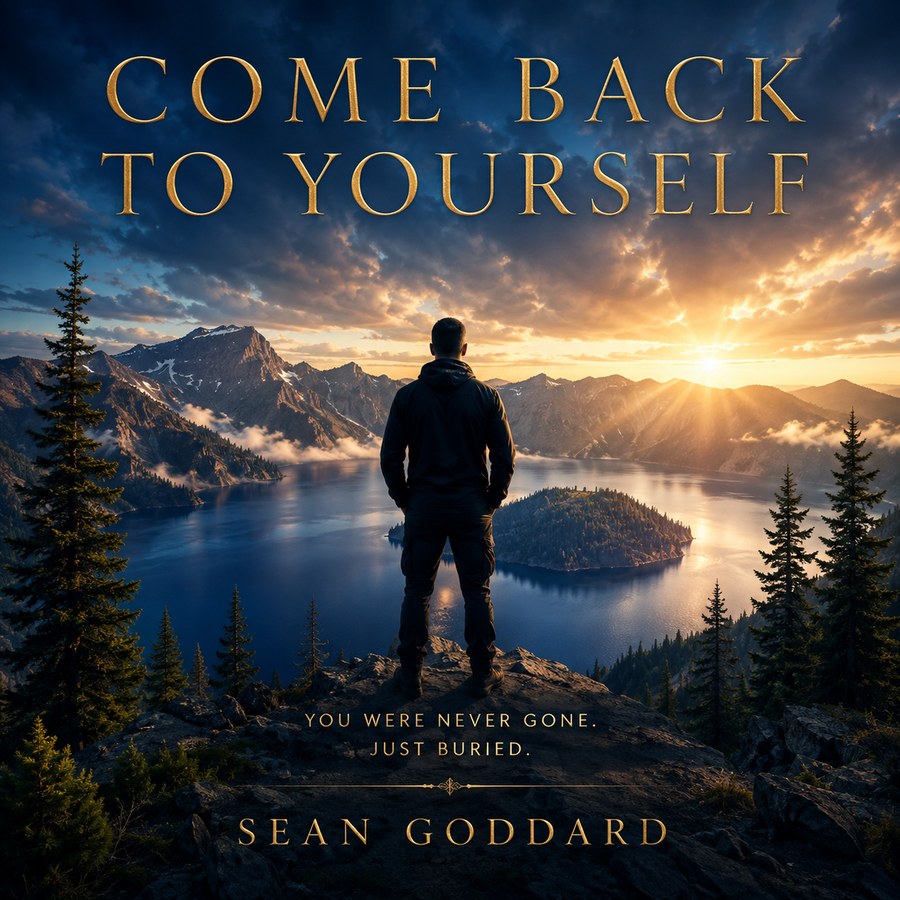
Come Back to Yourself
Track 13 · Releasing October 30, 2026
I wrote Come Back to Yourself for people who learned to leave themselves outside the room in order to be accepted inside it.
Some people learn safety by becoming useful. Others learn it by remaining silent, reading every emotional shift, suppressing their needs, or becoming whatever the people around them require.
Eventually, the role can become so familiar that the person no longer knows where the performance ends and their own identity begins.
This song is about recognizing that belonging should not require self abandonment.
Healing does not mean rejecting the versions of ourselves that helped us survive. Those parts deserve gratitude, compassion, and rest. But they do not have to continue directing every relationship, decision, and boundary.
Coming back to yourself means hearing your own voice beneath the noise. It means returning to your body, your name, your needs, your choices, and your right to occupy space without apologizing.
You were never gone. You may have simply been buried beneath the roles you learned to play.
Streaming links appear here on release day. Follow Sean Goddard on Spotify or Apple Music to get it the day it lands.
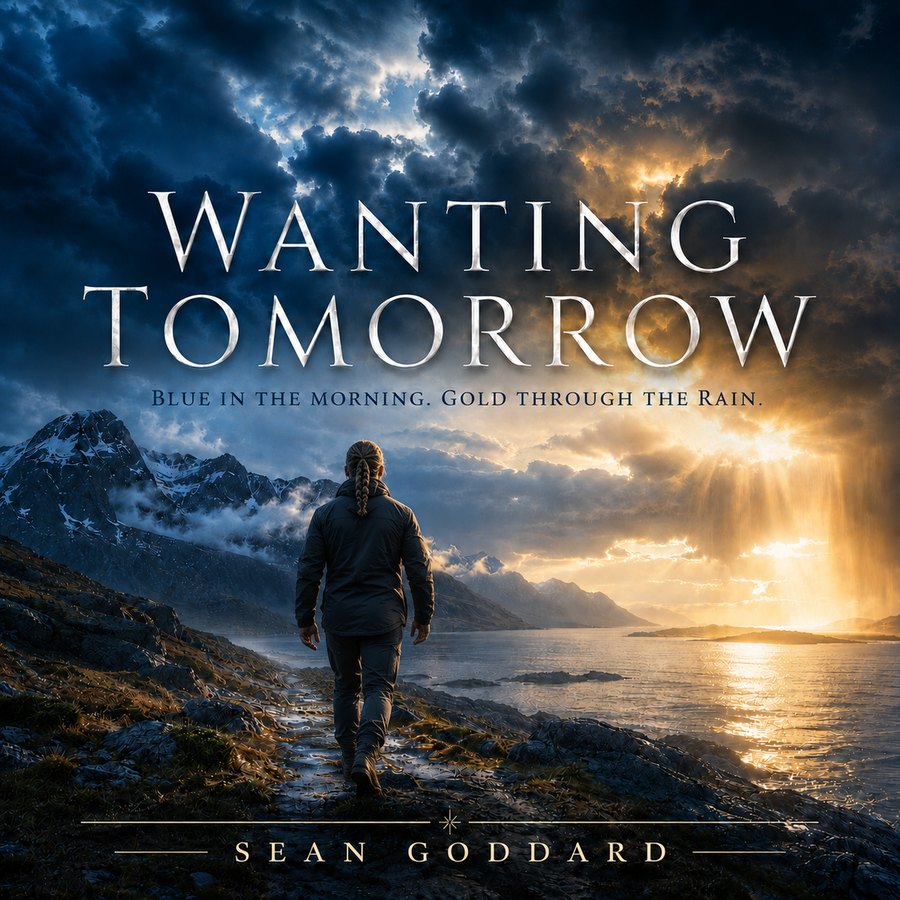
Wanting Tomorrow
Track 14 · Releasing November 6, 2026
I wrote Wanting Tomorrow about the quiet way depression can begin to lift.
Recovery does not always arrive through a dramatic breakthrough. Sometimes it appears in ordinary moments.
Coffee tastes like itself again. You laugh before realizing the sound came from you. You make a plan for the weekend and believe you may actually want to go. You answer the phone. You stay until the song finishes. You allow someone to come a little closer.
Nothing has suddenly become perfect. The pain has not been erased. But something inside begins leaning toward life instead of only enduring it.
The moment may be so subtle that you do not recognize it as healing until you catch yourself wanting something again.
The heart of the song is:
Wanting tomorrow, not just surviving today.
Joy does not betray grief. Light does not erase the night. Wanting to live does not invalidate the years when living felt almost impossible.
Sometimes the color comes back slowly. Sometimes you simply realize that you are no longer bracing for every moment.
Streaming links appear here on release day. Follow Sean Goddard on Spotify or Apple Music to get it the day it lands.
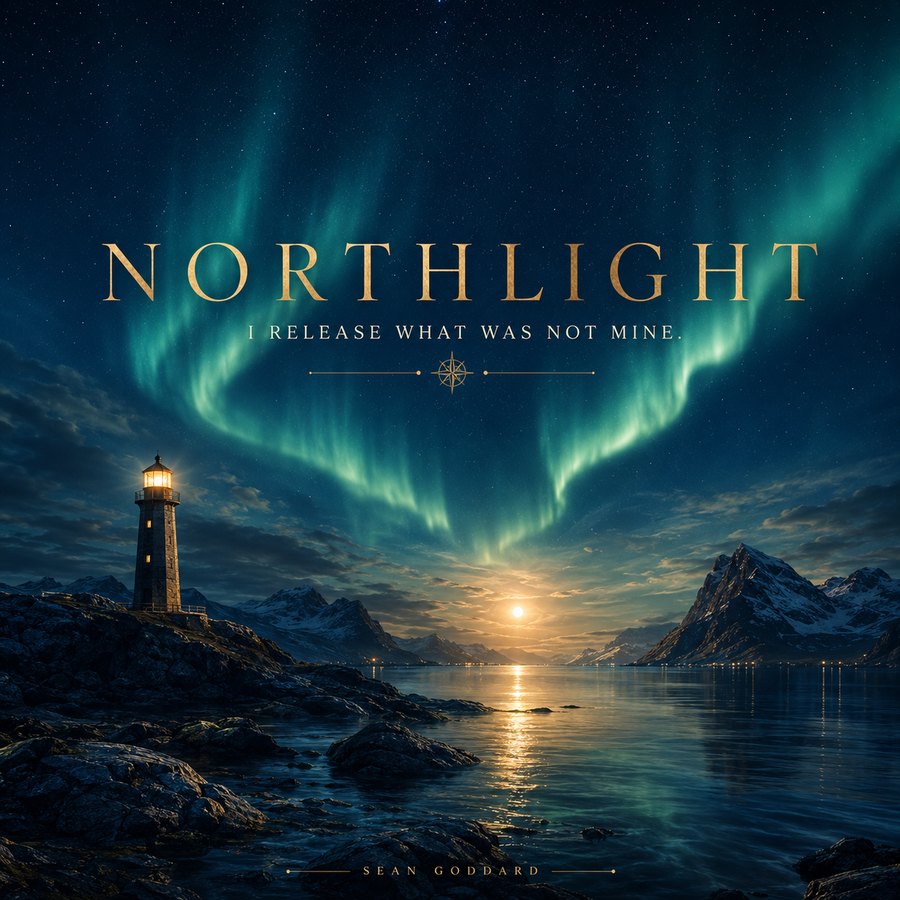
Northlight
Track 15 · Out now
I wrote Northlight as the closing movement of the album.
After the storm, the borrowed voices, the trauma, the shame, the search for identity, and the return of hope, I wanted the final song to feel less like another battle and more like release.
The northlight represents an internal source of direction. It is the part of us that exists beneath external approval, judgment, fear, and expectation. It does not demand perfection or provide every answer. It simply helps us remember the way back to ourselves.
This song is about thanking the versions of ourselves that protected us while allowing them to rest.
We can honor the armor without continuing to wear it everywhere. We can remember the past without allowing it to steer every future decision. We can release what was never ours and keep what remains true.
The central affirmation is:
I release what was not mine. I remember what is true.
Northlight closes the album with the belief that the light still knows our names, even when we have temporarily forgotten the way home.
How these songs were made
I wrote and creatively directed these songs. I do not claim to be the singer you hear. I used artificial intelligence as a vocal and production instrument, spending many hours writing, rewriting, arranging, refining, and rejecting versions until the music carried the meaning I intended. The voices and production were created with technology. The words, story, creative direction, and emotional purpose are mine.
Follow the artist page on Spotify or Apple Music so new songs reach you the day they land. If one of these songs meets you somewhere hard and helps you take one more step, that is the entire point.